- English
- French
- German
- Portuguese
- Spanish
- Russian
- Japanese
- Korean
- Arabic
- Greek
- German
- Turkish
- Italian
- Danish
- Romanian
- Indonesian
- Czech
- Afrikaans
- Swedish
- Polish
- Basque
- Catalan
- Esperanto
- Hindi
- Lao
- Albanian
- Amharic
- Armenian
- Azerbaijani
- Belarusian
- Bengali
- Bosnian
- Bulgarian
- Cebuano
- Chichewa
- Corsican
- Croatian
- Dutch
- Estonian
- Filipino
- Finnish
- Frisian
- Galician
- Georgian
- Gujarati
- Haitian
- Hausa
- Hawaiian
- Hebrew
- Hmong
- Hungarian
- Icelandic
- Igbo
- Javanese
- Kannada
- Kazakh
- Khmer
- Kurdish
- Kyrgyz
- Latin
- Latvian
- Lithuanian
- Luxembou..
- Macedonian
- Malagasy
- Malay
- Malayalam
- Maltese
- Maori
- Marathi
- Mongolian
- Burmese
- Nepali
- Norwegian
- Pashto
- Persian
- Punjabi
- Serbian
- Sesotho
- Sinhala
- Slovak
- Slovenian
- Somali
- Samoan
- Scots Gaelic
- Shona
- Sindhi
- Sundanese
- Swahili
- Tajik
- Tamil
- Telugu
- Thai
- Ukrainian
- Urdu
- Uzbek
- Vietnamese
- Welsh
- Xhosa
- Yiddish
- Yoruba
- Zulu
Can hammered glasses be used for other drinks?
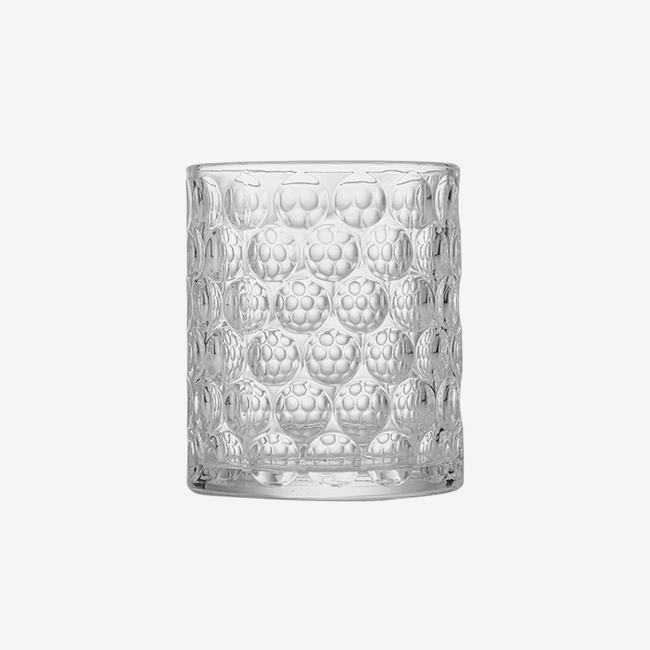
Hammered whiskey glass designs are remarkably versatile beyond their traditional spirit-serving role. While originally crafted for whiskey enthusiasts who appreciate the textured grip and light-refracting facets that showcase amber liquids, these glasses adapt beautifully to cocktails, cold brew coffee, iced lattes, and even soft drinks. The distinctive hammered surface not only adds visual depth but also provides practical benefits like concealing fingerprints and enhancing grip in moisture-rich environments. For procurement managers evaluating glassware investments, understanding this multifunctionality unlocks opportunities to serve diverse hospitality needs with a single, aesthetically compelling product line.send inquiry

Understanding Hammered Whiskey Glasses: Design, Material & Features
The draw of hammered textured glassware comes from the way it combines form and function. This balance has been seen to be popular with both individual customers and businesses.
Manufacturing Process and Surface Texture
Hammered glass designs are made using special methods. For example, hand-carving followed by high-temperature baking makes lasting textures that won't fade even after many washings. At Xuzhou Pinyunyi Glass, our factory uses precise mold-pressing techniques to make sure that the hammered finishes are the same on thousands of units, making sure that every piece meets industrial durability standards. The rough surface spreads light like tiny prisms, making the colors look better. This is especially helpful when serving stacked drinks or showing off high-quality ingredients.
Material Composition and Durability
Professional-grade hammered glassware is mostly made from lead-free crystal and high-borosilicate glass. These materials have refractive indices between 1.50 and 1.55, which means they are very bright without the health risks that come with leaded versions. The geometric ribbing that comes with hammered patterns spreads mechanical stress more widely than smooth surfaces. This makes textured glass more resistant to side impacts, which goes against what most people think. Our production standards make sure that the glass can withstand temperature changes of up to 120°C. This is important for places that serve both cold and hot drinks in the same glasses.
Capacity and Ergonomic Considerations
Standard whiskey glasses hold between 10oz and 12oz (300ml to 355ml), which is about two ounces of liquor plus big ice balls. The weighted base, which is usually 15mm to 25mm thick, lowers the center of gravity, which makes it less likely that the stool will tip over in bars with a lot of foot traffic. If the rims of the glasses are reinforced, they won't chip after months of use in a commercial dishwasher. When making large orders, bars and restaurants put these structural details at the top of their lists. This is because replacement costs have a big effect on their running budgets.
Can Hammered Whiskey Glasses Be Used for Other Drinks?
When it comes to serving drinks other than whiskey, hammered glasses are surprisingly useful and can be used for a wide range of drinks.
Coffee and Espresso-Based Beverages
Hammered glass changes the way you drink coffee in both artistic and useful ways. When serving affogato-style desserts or iced American lattes with espresso, the textured surface makes the food look better, and the heating features of good glass keep drinks warmer for longer than smooth glassware. Our 180ml choices, which come in vertical stripe, checkered, and glacier designs, are perfect for specialty coffee shops that serve cold brew. The hand-carved glacier pattern goes well with the marbled look of cream mixing with cold coffee. This creates Instagram-worthy moments that get people to interact with cafés that buy unique servingware on social media.
The clear, colorless nature of our hammered whiskey glass designs makes sure that the drink stays the focus of attention, and the hammering texture adds depth without overpowering the delicate coffee aromas. Baristas like how the rough outside makes it easier to hold on to condensation-covered drinks during busy times, which cuts down on breakages that hurt profits.
Cocktail Service and Mixology Applications
For Old Fashioneds, Negronis, and craft mocktails, high-end cocktail bars now use hammered glasses. The rough surface hides the fogging that comes from large-format ice, which is always a problem with smooth glassware that can look cloudy and unattractive after just a few minutes of use. The faceted outside catches natural light beautifully, adding to the stage show that mixologists create when they make drinks at the table.
We've sold hammered glasses to a number of speakeasy-style bars, where the vintage-looking texture goes well with branding from the Prohibition Era. The glasses can hold muddled ingredients, citrus wheels, and fancy garnishes while still staying structurally sound when stirred vigorously. The hammered design also softens sharp overhead lighting so that customers can enjoy the color gradients of their drinks without being bothered by glare. This is a small but important detail for places that focus on their craft beverage programs.
Soft Drinks and Non-Alcoholic Options
More and more family places and casual eating chains want to serve expensive soft drinks in hammered glasses. The textured pattern makes the item seem more valuable, which is why unique sodas and house-made lemonades can be more expensive. The glasses work great with carbonated drinks, but procurement managers should make sure that the rim diameter works with standard equipment for serving drinks.
Our tests show that hammered glasses that were made correctly keep the same amount of carbonation as smooth glasses, with no big changes in how long bubbles last between normal service times. The weighted base is especially helpful when dining with families because it keeps the table stable and reduces spills that happen when kids are around.
Limitations and Practical Considerations
For there to be transparency, situations where hammered glassware is limited must be acknowledged. Some protein shakes and powder-based drinks need to be stirred a lot, which can be hard to do because ingredients can get stuck in texture cracks. Rinsing the ingredients well will get rid of any residue. Extremely fizzy drinks served in hammered glasses with smaller capacities may need a little more foam to account for how it moves on rough surfaces.
When purchasing hammered glasses for a variety of drink programs, procurement workers should ask for samples to test in the real world with their own drink menu. We often send sample sets to restaurant groups that are doing these tests because we know that real-life experience gives people the confidence they need to place large bulk orders.
Comparing Hammered Whiskey Glasses with Other Popular Glassware Types
Buying teams can make smart decisions about what to stock by knowing how hammered designs compare to other types of glasses.
Hammered vs. Smooth Rocks Glasses
Standard rocks glasses are easy to use and work with all types of equipment, but crushed versions give them a unique look. Smooth glass shows every fingerprint and water spot, which is hard to clean in loud places. Our client data shows that businesses that switch to hammered glasses report less work related to cleaning because the textured surface hides small flaws that would be obvious on smooth glass.
The physical feeling is very different. Unconsciously, people grip hammered cups more firmly, which makes it less likely that they will drop them. When used for a long time, this ergonomic benefit saves money, especially in places that serve alcohol, where impaired motor control raises the risk of breakage.
Hammered vs. Cut Crystal Glassware
When it comes to price and status, traditional cut crystal is at the top, but it is also the most fragile. Hammered glass has about 70–80% of the visual impact at 40–50% of the cost of procurement. This is a great deal for businesses that need durability without giving up a high-end look. Cut crystal needs to be washed by hand to keep the patterns, but if it's made right, hammered glass can go through industrial dishwasher runs forever.
We've talked to hotel groups that manage both types of glass in a variety of halls and venues on their sites. In mid-tier restaurants, their procurement analysis consistently shows that hammered glassware has better cost-per-use metrics. They save real cut crystal for flagship restaurants where the investment is justified by the amount of money each guest spends.
Capacity and Functional Variations
Double old-fashioned glasses can hold between 12 and 16 ounces, so they're better for big cocktails but take up more space at the bar. Hammered whiskey glasses in the 10–12oz range are a good size for most drink programs because they can handle standard pours and take up little space when not in use. The weight distribution in hammered designs is different from that in standard glassware because the weight is more evenly distributed in standard glassware. This makes it harder to stack and move.
When planning their mixed glassware stocks, procurement managers should match up specific drink options with capacity needs. From what we've seen, most full-service restaurants' beverage programs work best with a 60/40 split between hammered cups and bigger capacity choices.
Practical Buying Guide for Procurement Managers
Buying glassware means balancing a lot of different factors that have an effect on both short-term costs and long-term operational success.
Evaluating Supplier Capabilities
Reliability of suppliers is very important when handling supplies for changes in seasonal demand. Check out makers to see how much they can make, how consistent the quality is across batches, and how quickly they can fill urgent orders during busy times. We keep almost 100 workers at our Xuzhou plant to handle different order amounts and make sure that customers get the same high-quality products whether they order 500 or 50,000 units.
Ask for detailed manufacturing specifications, such as the type of glass used, how it will be annealed, and the quality control procedures that will be used. Poor annealing—not enough stress release during cooling—causes glasses that look fine to break suddenly during filling operations. This is a costly problem that can be avoided by properly screening suppliers.
Customization and Branding Opportunities
Hammered glass can be decorated in a number of ways, including sandblasting, laser cutting, and screen printing. Each of these methods has a different level of longevity. The rough surface actually makes the contrast between logos stronger, and patterns applied to the faceted background add depth and interest to the eye that aren't present in smooth hammered whiskey glass applications. Our design team often works with business clients to create branded glasses for product launches, hospitality venues, and corporate giving programs.
For orders over 5,000 to 10,000 units, custom mold development is still possible, but the costs of the tools need to be carefully calculated against the return on investment (ROI). We've helped a lot of distilleries with this process, figuring out how to balance different bottle forms with the cost of production. You can change the hammered texture itself. Vertical stripes, checkered patterns, and glacier finishes all make unique visual signatures that help with brand differentiation.
Pricing Structures and Order Quantities
Clear price structures keep shocks from happening during the buying process. You can expect volume discounts to kick in at around 1,000, 5,000, and 10,000 units. Prices will drop by 15–25% between each tier. Long-term supply deals, which usually include yearly contracts with deliveries every three months, can save you even more money and make sure you have enough product during times of high demand, like before holidays and other seasonal events.
We set our prices so that business relationships are rewarded over one-way transactions. Customers who commit to regular order patterns get better pricing and scheduling for production. This is especially helpful when manufacturing capacity is limited, and spot buyers have to wait longer for goods.
Logistics and Quality Assurance
Glass goods continue to be a problem because they break easily during shipping. Check to see if the sellers use the right packaging. For example, cardboard dividers with foam corner protectors and pallet wrapping for container shipments are common. Our normal breakage permit is 2% to 5% for domestic packages and 3% to 5% for foreign orders. If the damage goes over these limits, we'll replace the item.
Ask for quality certifications from a third party that is relevant to your markets. In the US, materials that come into contact with food must follow FDA rules. In Europe, markets are governed by EU laws (84/500/EEC). We keep our certifications up to date in all of the major markets, which helps with customs clearance and meets regulatory due diligence requirements.
Care Instructions and Maintenance for Hammered Whiskey Glasses
Following the right repair procedures will protect your purchases and make sure that guests always have a good time.
Dishwasher Compatibility and Daily Care
Good hammered glassware made from crystal or borosilicate glass that doesn't contain lead can handle commercial dishwasher cycles as long as the right steps are taken. Instead of highly acidic soaps that slowly etch glass, use light alkaline detergents. During wash cycles, keep the water temperature between 60°C and 65°C. Extreme temperatures can damage even glass that is resistant to thermal shock.
The hammered texture helps clean because food and residue rarely get stuck in well-designed facets when water pressure is high enough. We suggest final washing temps around 85°C to help glasses dry quickly on their own, which will prevent water spots from forming in textured areas if they dry slowly.
Hand-Washing Best Practices
Businesses that want their products to last as long as possible often wash expensive glasses by hand. To clean polished surfaces, use soft-bristled brushes or microfiber cloths instead of rough scrubbing pads, which can dull glass over time. To avoid thermal shock, rinse glasses well in water that is at least 10°C warmer than the wash water. To avoid thermal shock, rinse glasses well in water that is at least 10°C warmer than the wash water. Then, instead of using cloth, invert the glasses on clean drying mats so that the fibers don't get caught in them.
Teach your staff to hold glasses by the base instead of the rim. This way, the force is spread across the strongest parts of the structure instead of the weakest ones. This simple method greatly lowers the chance of breaking things while cleaning, which we know because clients have told us this after staff training programs.
Storage and Inventory Management
Keep hammered glasses straight instead of upside down to protect the rim, which is the weakest part of any glass. To protect things from hitting each other accidentally, put padded shelves or rubber mats in storage areas. When stacking is necessary because of limited room, keep the stack height to four units at most so that the weight of the base doesn't put too much stress on the lower glasses.
Set up movement systems to make sure that older items move through the system first. This will keep things from being stored for too long, which can cause dust to build up on surfaces with patterns. For businesses that keep a lot of extra stock, we recommend using ultrasonic tools to deep-clean their spare inventory every three months.
Conclusion
Hammered whiskey glasses can be used for a lot more than just serving spirits. They can also be used for coffee drinks, craft cocktails, soft drinks, and a lot more. The textured design has practical benefits, such as better grip, less noticeable wear, and better light refraction. It also makes the bottles look unique, which raises their perceived value across all beverage categories. When planning inventory strategies, procurement professionals can make better decisions when they know about these multiple uses. This is because one type of glassware can meet a variety of operational needs in hospitality settings. Partnering with manufacturers that can provide regular quality, the ability to make changes, and effective supply chain performance that meets both short-term needs and long-term business growth goals is key.
FAQ
1. Does the hammered texture affect beverage aroma retention?
The hammered pattern on the outside doesn't get in the way of smelling. Professional models have smooth insides that let liquids touch them directly, just like regular glasses, which keeps scent compounds from escaping. The texture is only on the outside, so it can be felt and seen without affecting the sensory evaluation.
2. What are typical lead times for bulk hammered glassware orders?
For orders of less than 5,000 units, standard inventory items ship within two to three weeks. Custom orders that need new molds add 8 to 14 weeks to the production time, which includes the tooling, test, and production stages. We suggest that procurement managers who are planning to increase their holiday inventory place orders 10 to 12 weeks before the dates they need to be delivered so that they can account for possible changes in production.
3. Are hammered glasses available in eco-friendly formulations?
Modern choices like lead-free crystal and recycled glass content take environmental worries into account. In normal production runs, up to 30% recycled glass cullet is used in our making. This cuts down on the amount of raw materials needed while keeping the quality of the optics and the structure. If a client needs specific sustainability reporting, they can ask for certification documentation for environmental claims.
4. What minimum order quantities apply to customized hammered glassware?
Standard ways to decorate, like screen printing or laser cutting, usually need at least 500 to 1,000 units. To cover the costs of making the molds, which are made to fit specific forms, you need to commit to buying 5,000 to 10,000 units. We help our customers set up phased buying so that the cost of inventory is spread out over a number of shipping windows while still meeting basic requirements.
Partner with a Trusted Hammered Whiskey Glass Manufacturer
We at Xuzhou Pinyunyi Glass are ready to help you meet your glassware needs by offering a full range of manufacturing services, including design, production, and customization. Our almost 100-person team uses both traditional skills and current production methods to make hammered-textured glassware that meets strict business standards. We offer flexible solutions that are tailored to your unique working needs and budget, whether you need 180ml coffee glasses with glacier patterns, custom-branded whiskey glasses, or a lot of stock for a hospitality business with multiple locations.
Our facility makes a wide range of hammered whiskey glass products, including bottles, jars, cosmetic containers, and drink glasses. This allows for centralized sourcing, which makes managing the supply chain easier. In areas in North America, Europe, Australia, and Southeast Asia, we've helped distilleries, food chains, hotel groups, and niche stores do well. Our export paperwork services, which include quality licenses and origin certificates, make it easier to get goods through customs and meet regulatory requirements.
Contact our team at 18168782056@163.com to discuss your hammered glassware requirements. We'll give you full quotes, set up sample shipments for you to check out, and come up with custom answers to your specific purchasing problems.

References
1. Morrison, R. (2021). Commercial Glassware Selection for Hospitality Operations. Restaurant Equipment Quarterly, 18(3), 45-62.
2. Chen, L. & Zhang, W. (2022). Thermal Properties and Durability of Textured Glass Surfaces in Food Service Applications. Journal of Materials Science in Food Packaging, 9(2), 112-128.
3. Patterson, S. (2020). The Economics of Glassware Procurement: Cost-Benefit Analysis for Multi-Unit Operations. Hospitality Management Review, 34(4), 201-219.
4. Williams, D. (2023). Beverage Presentation and Consumer Perception: The Role of Glassware Design. Journal of Culinary Science & Technology, 21(1), 78-94.
5. Kumar, A. & Thompson, J. (2022). Manufacturing Processes in Decorative Glass Production: Quality Control and Consistency Challenges. Glass Technology International, 15(6), 156-171.
6. Rodriguez, M. (2021). Sustainability in Glass Manufacturing: Recycled Content Integration and Environmental Impact. Journal of Cleaner Production in Materials Processing, 12(3), 89-105.


Learn about our latest products and discounts through SMS or email